
English 
Views: 0 Author: Site Editor Publish Time: 2025-12-25 Origin: Site


In the rapidly evolving landscape of medical technology, the integration of advanced display solutions has become increasingly vital. Among these, the Custom LCD Module stands out as a critical component in modern medical devices. These modules are not just simple display units; they are sophisticated interfaces that facilitate the interaction between healthcare professionals and complex medical equipment. The demand for customization in LCD modules is driven by the need for precise, reliable, and user-friendly displays that cater to the specific requirements of various medical applications.
Custom LCD Modules play a pivotal role in enhancing the functionality and usability of medical devices. These modules are tailored to meet the unique demands of medical environments, where clarity, accuracy, and reliability are paramount. For instance, in diagnostic equipment such as ultrasound machines and patient monitors, the display must provide clear and precise information to assist healthcare professionals in making informed decisions. The customization allows for specific features such as anti-glare surfaces, wide viewing angles, and high contrast ratios, which are essential in medical settings where lighting conditions can vary significantly.
Moreover, the integration of Custom LCD Module for Medical devices ensures compliance with stringent industry standards and regulations. These modules are designed to withstand rigorous cleaning protocols and are often equipped with features that enhance their durability and longevity, such as moisture resistance and robust construction. This level of customization not only improves the performance of medical devices but also contributes to patient safety and care quality.
While standard LCD displays are widely used across various industries, they often fall short in meeting the specialized needs of medical applications. Custom LCD Modules offer several advantages that make them indispensable in the healthcare sector. Firstly, they provide enhanced readability through high-resolution graphics and adjustable brightness levels, which are crucial for accurately displaying medical data and images. This is particularly important in critical care environments where quick and accurate data interpretation can significantly impact patient outcomes.
Secondly, these modules can be designed with specific functionalities that cater to the operational requirements of different medical devices. For example, a White Backlight Custom LCD Module is ideal for devices that require clear visibility in low-light conditions, such as in operating rooms or intensive care units. Additionally, the ability to customize the interface layout and controls allows for a more intuitive user experience, reducing the risk of errors and enhancing the efficiency of medical procedures.
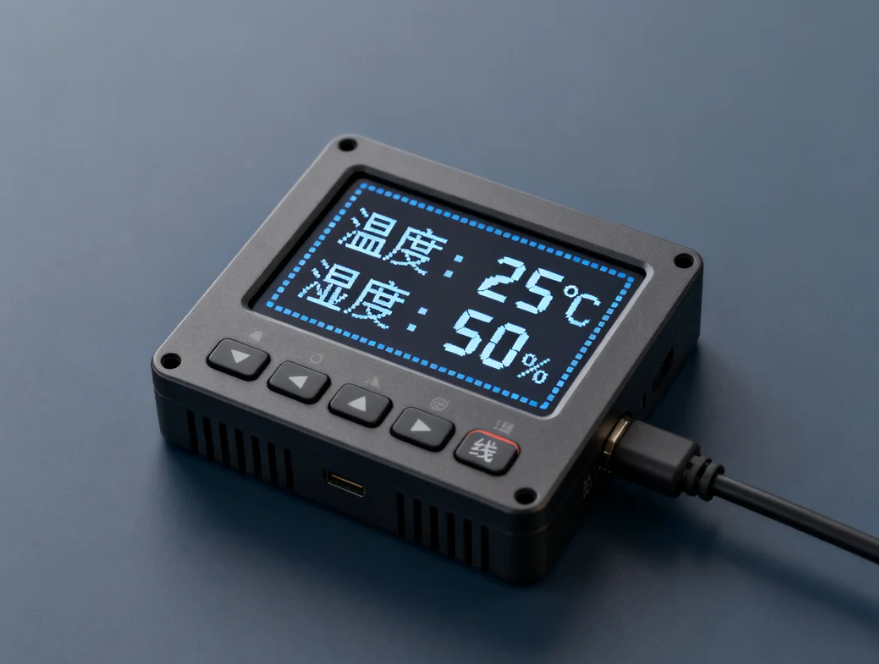
The customization process of LCD modules involves several key considerations to ensure that the final product meets the specific needs of the medical device it is intended for. This includes selecting the appropriate display technology, such as TFT, STN, or OLED, each offering distinct advantages in terms of color reproduction, power consumption, and response time. For instance, a Graphic Custom LCD Module is often preferred for its ability to display complex images and data with high clarity and detail.
Furthermore, the customization process allows for the integration of additional features such as touch sensitivity, which can enhance the interactivity and functionality of the device. This is particularly beneficial in applications where hands-free operation is necessary, such as in surgical settings. The choice of materials and design also plays a crucial role in ensuring the module's durability and resistance to environmental factors, which is essential for maintaining performance and reliability in demanding medical environments.
Choosing the right Custom LCD Module manufacturer is a critical step in the development of medical devices. Manufacturers with extensive experience and expertise in the field can provide valuable insights and guidance throughout the customization process. They can offer a range of solutions tailored to the specific needs of the medical industry, ensuring that the final product meets the highest standards of quality and performance.
In addition to technical expertise, a reputable manufacturer will also have a robust quality assurance process in place to ensure that each module is thoroughly tested and validated before it is integrated into a medical device. This includes rigorous testing for factors such as electromagnetic compatibility, thermal performance, and mechanical durability. By partnering with a trusted manufacturer, medical device developers can ensure that their products are equipped with reliable and high-performing display solutions that enhance their overall functionality and user experience.
Several case studies highlight the successful implementation of Custom LCD Modules in medical devices, demonstrating their impact on improving device performance and patient care. One notable example is the use of Custom LCD Module for AC Controller in advanced ventilators. These modules provide clear and precise control interfaces that allow healthcare professionals to adjust ventilation settings with ease and accuracy, ensuring optimal patient support.
Another example is the integration of Custom LCD Modules in portable diagnostic devices, such as glucose meters and blood pressure monitors. These modules offer high-resolution displays that present critical health data in an easily readable format, enabling patients to monitor their health conditions effectively. The customization of these modules ensures that they are user-friendly and accessible, promoting better patient engagement and adherence to treatment plans.
In conclusion, the integration of Custom LCD Module for Medical devices is a critical factor in advancing the capabilities of modern healthcare technology. These modules offer unparalleled customization options that enhance the functionality, usability, and reliability of medical devices. By working closely with experienced manufacturers, medical device developers can ensure that their products are equipped with state-of-the-art display solutions that meet the specific needs of the healthcare industry. As technology continues to evolve, the role of Custom LCD Modules in medical devices will undoubtedly become even more significant, driving innovation and improving patient care outcomes.


