English 


 |


| Quantity: | |||||||||
|---|---|---|---|---|---|---|---|---|---|
The 1.54-inch PM-OLED display module stands out for its ultra-thin design, ultra-low power consumption, and full-view clarity—perfect for space-sensitive devices like smart bracelets, micro medical tools, and IoT sensors. Its self-luminous technology and multi-interface compatibility address battery life and integration challenges in portable electronics. | |||||||||
Overall dimensions of 42.04mm × 27.22mm × 1.45mm, 30% thinner than same-size LCD modules, easily integrated into smart bracelets or micro sensors.
PM-OLED self-luminous design eliminates the need for backlighting, cutting power consumption by 40-50% vs. LCD modules; 1.65V~3.3V wide voltage supply extends battery life for IoT/wearable devices.
Brightness uniformity >90% and 10000:1 contrast ratio ensure clear text/background distinction, critical for medical data accuracy.
Supports SPI-4W/IIC/MCU 8080 interfaces, with fast transmission and minimal wiring.
Works with MCUs like STM32 and ESP8266, reducing manufacturers’ development costs and production cycles.
| | |  |
The 2024 OLED Display Module Industry White Paper shows 1.2-1.6 inch PM-OLED modules have 55% penetration in lightweight wristbands/smart rings, shipping 110 million units in 2023 (1.54-inch products account for 40%, growing 32% annually).
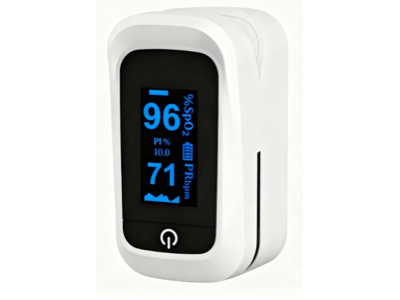
In portable healthcare, 1.4-1.5 inch PM-OLED demand rises 38% yearly; over 65% of “long-battery-life” medical devices (e.g., pulse oximeters) use this size.
TrendForce forecasts the global 1.2-1.6 inch micro PM-OLED market will exceed $7.2 billion by 2025, with 90% growth from smart wearables and IoT.
After the product is manufactured, the professional optical testing equipment BM-7 is used to test the optical performance indicators such as brightness, color, contrast, and viewing angle of the display module, ensuring that all indicators meet the design requirements; Place the display module in a reliable experimental environment with industrial control specifications such as high temperature, low temperature, and high humidity for testing, simulate various working conditions in actual use, and ensure that the product's environmental adaptability and reliability meet the specification requirements.
Smart Wearables: Smart bracelets, motion recorders.
Portable Healthcare: Micro oximeters, home blood glucose meters, heart rate monitors.
Smart Home: Micro environmental sensors, smart switch displays.
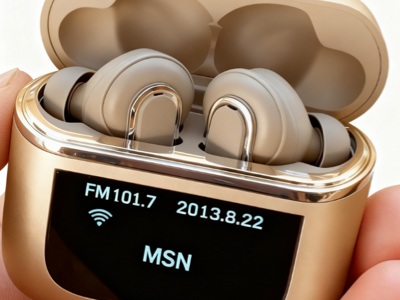
Consumer/Education: Smart toys, children’s story machines, headphone charging cases.
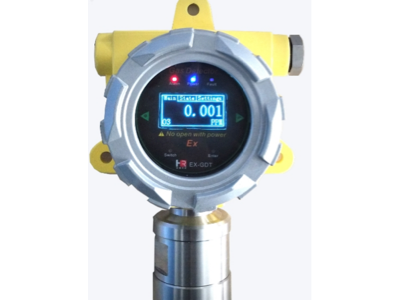
Industrial: Flow monitors, small pressure gauges.
|
|
|
 |  |